
You searched for "cutaneous "
Treatment of rosacea using pulsed dye laser
Rosacea is a common chronic cutaneous inflammatory condition estimated to affect 415 million people worldwide [1]. It characteristically affects the central face and its primary features include flushing, non-transient erythema, telangiectasia and in progressive stages papules and pustules. Secondarily, it...Use of 50% TCA peeling with CROSS technique for the treatment of atrophic acne scars
Atrophic acne scars (ice pick, boxcar and rolling scars) are a common complication of acne and may significantly impair patients’ quality of life. Several treatment options for acne scarring have been proposed; among them, the localised application of high-concentration trichloroacetic...HOW I DO IT - Er:YAG laser ablation for enhanced lesion removal
Ablative lasers, such as CO2 and Er:YAG, may be regarded as superior to traditional surgical techniques – elliptical excision, curettage, cautery and cryotherapy – because they provide greater precision and uniformity in lesion removal. This enhanced accuracy translates into improved...How I Do It - Scar treatment with sequential combination of short full beam and photo-acoustic fractional 1064nm QS laser
Wound healing takes place by two distinct mechanisms. The first involves cellular proliferation and migration resulting in regeneration. This occurs in the epidermis and leaves no scarring. The dermis is a collagen-rich connective tissue and when this is damaged the...How I Do It - FracRevive - holistic skin rejuvenation with a combination of full beam and fractional Q-switched Nd:YAG laser
With increasing demand on efficient skin rejuvenation treatment associated with zero to minimum downtime, a two-step FracRevive laser rejuvenation with both full beam and factional Q-switched Nd:YAG laser has been designed by Fotona using the Starwalker system. Starwalker’s unique pulse...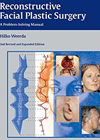
Reconstructive Facial Plastic Surgery: A Problem-Solving Manual (Second edition)
There are many other books that describe the principles and techniques for head and neck reconstruction but few are so comprehensive and yet concise enough to be easy to read from cover to cover or simply browse for ideas. This...
Abdominal problems following breast reconstruction using lower abdominal flaps
Abdominal problems following transverse rectus abdominis myocutaneous (TRAM) and deep inferior epigastric perforators (DIEP) flaps are well recognised in these otherwise excellent methods of breast reconstruction. The authors reviewed 399 patients, of whom 57.7% had surgical complications although most of...