
Features

The surgical management of extensive balanitis xerotica obliterans
Balanitis xerotica obliterans (BXO) was initially described by Hallopeau in 1887 [1], when it was known as lichen sclerosis et atrophicus, the designation BXO, first being used by Stuhmer in 1928 [2]. It is a chronic, persistent and unrelenting inflammatory...

Malignant melanoma, stress and cosmetic surgery
The epidemiology of cutaneous malignant melanoma (CMM) continues to evolve [1]. Whilst there has been a small but steady increase in incidence of the tumour there has been a significant decrease in lethality. There are several reasons for this; public...

Post-infusion iron extravasation: Cutaneous complications and management strategies
Intravenous iron infusion is widely used for the treatment of iron-deficiency anaemia, especially in cases where oral supplementation is ineffective or contraindicated. Although generally well tolerated, iron infusion may be complicated by local adverse events, among which iron extravasation is...

SMAS facelift plication technique to close large skin defects
Resection of skin lesions from the facial region is typically a straightforward procedure, yet the challenge arises in effectively closing the resulting deformity [1]. Surgeons frequently face hurdles, especially when the lesion occupies a restricted anatomical region with limited skin...

Duration of botulinum toxin effects: Determining factors and practical recommendations
Botulinum toxin has become a popular drug in aesthetic dermatology and plastic surgery and is used to diminish wrinkles as well as for a number of medical indications. However, current reports suggest the loss of a therapeutic effect over a...

The role of topical peptides in skincare
The sustained global interest in regenerative medicine is evident and increasingly aligned to the emerging field of regenerative aesthetics [1]. Arguably, regenerative medicine is an established and evolving specialism of medicine, and the rise of associated medical aesthetic treatments and...
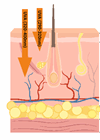
The impact of 21st century stressors and lifestyle factors on skin ageing
Skin appearance and health play a significant role in everyone’s life and confidence, particularly in today’s 21st century lifestyle and the associated stressors promoting skin ageing. The skin is a dynamic organ, showing apparent signs of ageing and damage, which...

What to look for in new exosome products: A guide to the exosome cosmetic market
Exosomes have become increasingly trendy in the cosmeceutical market, not only as the latest buzzword but also in alignment with the growing trend towards natural beauty. By harnessing the regenerative potential of exosomes and incorporating them into daily skincare routines...

Enhancing safety in upper face injections: Anatomical considerations for precision and efficacy
The upper face, including forehead and temples, is often overlooked in non-surgical cosmetic procedures with dermal fillers. While horizontal forehead or glabella lines may be a common complaint amongst patients, seldom do they attend with concerns of loss of volume...

Hormones, ageing and skinspan
Skinspan refers to the years of life during which skin remains healthy, youthful and attractive and is influenced by genetic, metabolic and lifestyle factors. While ultraviolet (UV) exposure is a potent environmental driver of skin ageing, our hormones play a...

The fault in our scars
A groundbreaking study recently presented to the British Association of Plastic, Aesthetic and Reconstructive Surgeons (BAPRAS – www.bapras.org.uk), conducted at Great Ormond Street Hospital, in collaboration with the University of Toronto's Hospital for Sick Kids and University College London, has...

The AMWC 2024 awards
Recognising innovation and excellence in Aesthetic and Anti-Ageing Medicine, this prestigious competition rewards the best physicians and companies in the global medical aesthetic market.The winners were announced yesterday at the AMWC Congress in Monaco. The PMFA Journal team would like...