You searched for "patients"
Prostaglandin associated periorbitopathy presenting as unilateral orbital fat prolapse
Case Report A 65-year-old gentleman with bilateral primary open angle glaucoma presented to an oculoplastic surgeon following referral from their glaucoma specialist. Following recent right eye glaucoma surgery, the patient had noticed right under eye swelling and had confronted the...
Comparison of intralesional verapamil versus intralesional corticosteroids in treatment of keloids and hypertrophic scars
This paper by Abedini et al., is a randomised observer blinded controlled trial comparing the efficacy, safety profile, and recurrence rates of intralesional verapamil versus intralesional triamcinolone acetonide in the treatment of keloid and hypertrophic scars. Whilst corticosteroids represent the...The vital role of LED phototherapy in wound healing
For many practitioners, finding effective, non-invasive ways to speed up recovery and improve patient outcomes is imperative. Plastic surgeon and Assistant Professor of Aesthetic Medicine Dr George Christopoulos and advanced aesthetic nurse and wound healing expert Kate Monteith-Ross discuss how...Comment in response to Perceptions and Deceptions a personal blog by the editor 15 Apr 2016
We have what is called a third table list....small cases under local or regional anesthesia...there was an 8 yr old girl with a diffuse, non pinchable swelling in the chin area. After confirming it was not vascular, we decided for...
Diced cartilage grafts in rhinoplasty
This article reviews the author’s current techniques and applications of diced cartilage grafts (DCG) in rhinoplasty surgery. Dr Daniel is a renowned rhinoplasty surgeon and he describes the technique that he has been using for more than 30 years. In...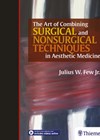
The Art of Combining Surgical and Nonsurgical Techniques in Aesthetic Medicine
This is a well-written hardback discussing various approaches to combination treatments for the face and the body. There are 15 chapters each outlining a specific category from patient selection to the use of noninvasive devices, light-based therapies and blending non-surgical...Unveiling Sculpt&Shape: revolutionizing aesthetic treatments
Sculpt&Shape represents a breakthrough in radiofrequency technology, meticulously designed to...Facial nerve palsy and Facial Palsy UK
The term facial palsy is most commonly used to describe a paralytic lower motor neurone (LMN) dysfunction of the facial nerve. Upper motor neurone facial palsy, for example due to strokes and intra-cranial tumours, spares the forehead muscles and will...
Retroauricular vs. inguinal donor site for full-thickness skin grafts in syndactyly repair
Most surgeons recommend the use of full thickness skin grafts (FTSGs) for syndactyly repair in order to achieve a tension free reconstruction and prevent web creep. The inguinal region, cubital fossa and wrist are all well recognised donor sites for...The golden nose – reshaping the nose 100 years ago
Wolf Lűbbers (with the golden nose). Who with a crooked nose would not embrace the chance to go to bed in the evening wearing a surgical device and wake up the following morning with a straight one? And all this...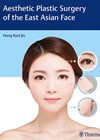
Aesthetic Plastic Surgery of the East Asian Face
One can think of very few communities to which the East Asian diaspora has not migrated over the course of the last few centuries. Thus, even northern European surgeons such as myself are regularly faced with aesthetic challenges pertaining to...