Venous lake of the lip is a benign vascular lesion characterised by dilation of superficial veins (venous ectasia). Clinically, it presents as a purplish-blue to violaceous, soft and compressible papule or nodule, most commonly located on the lower lip of older adults.
Its development is closely associated with chronic sun exposure and the ageing process. Although it is usually asymptomatic, it may generate aesthetic concern or bleeding following minor trauma. They are a therapeutic challenge due to their high vascularity, potential aesthetic impact and increased risk of bleeding [1-3].
Diagnosis is primarily clinical and can be supported by dermoscopy, which typically reveals unstructured patterns with purple, red or blue coloration. Dermoscopy is particularly useful in differentiating venous lakes from other pigmented lesions, such as melanoma or melanotic labial macules. Histopathological examination demonstrates dilated, thin-walled veins located within the superficial dermis [1,3].
Several therapeutic options have been described, including sclerotherapy with agents such as ethanolamine oleate or polidocanol, laser photocoagulation (Nd:YAG 1064nm long pulse, diode, CO2, Alexandrite), cryotherapy, electrocoagulation and, in selected cases, surgical excision. The choice of treatment depends on lesion size, anatomical location and patient preference. Overall, most techniques report high efficacy with a low incidence of complications. The procedure can take several sessions to achieve the ideal result, ranging from 1–5 sessions, with a monthly interval [2,3,4].
Case reports
Case 1
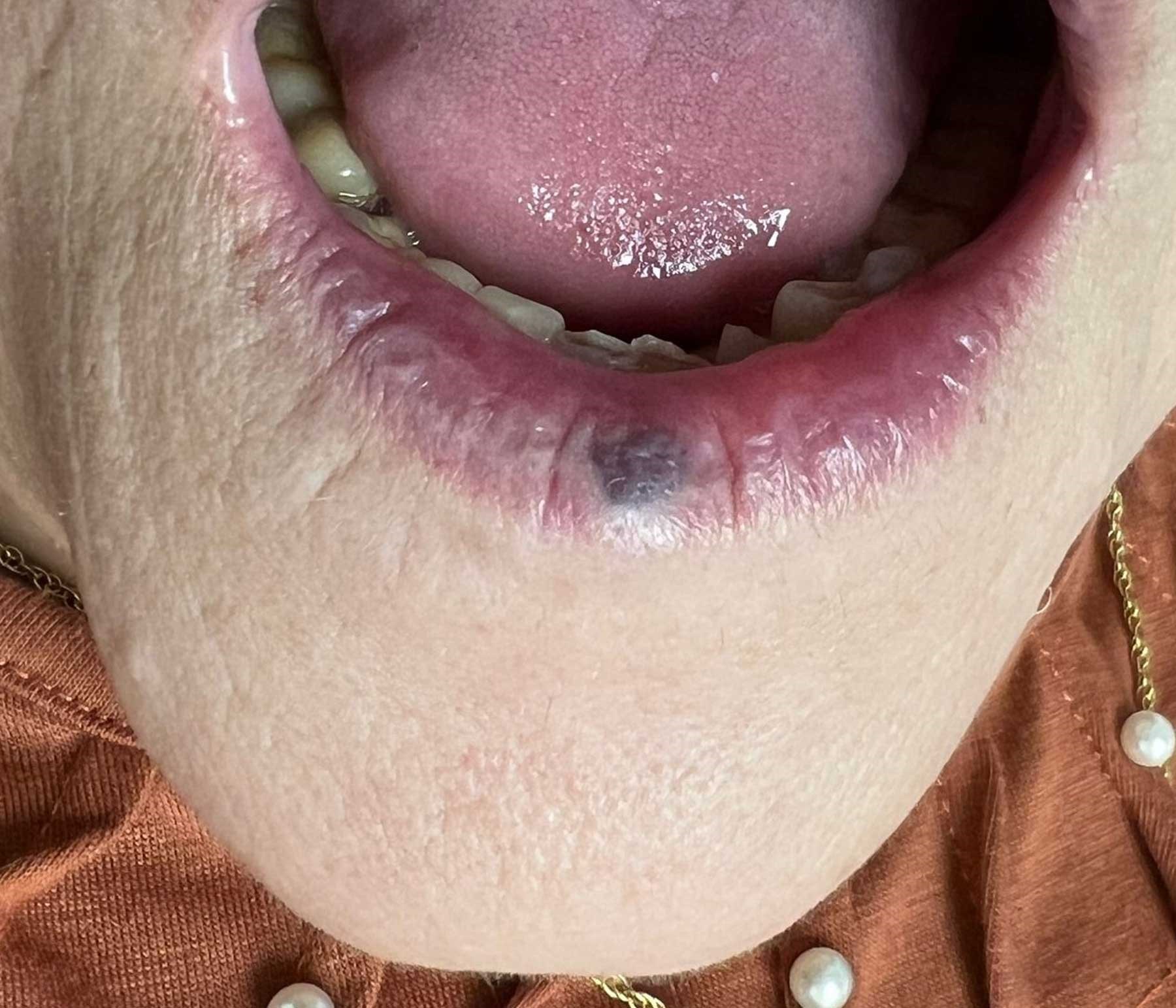
Figure 1a (before): Woman of 66 years with five years of evolution.
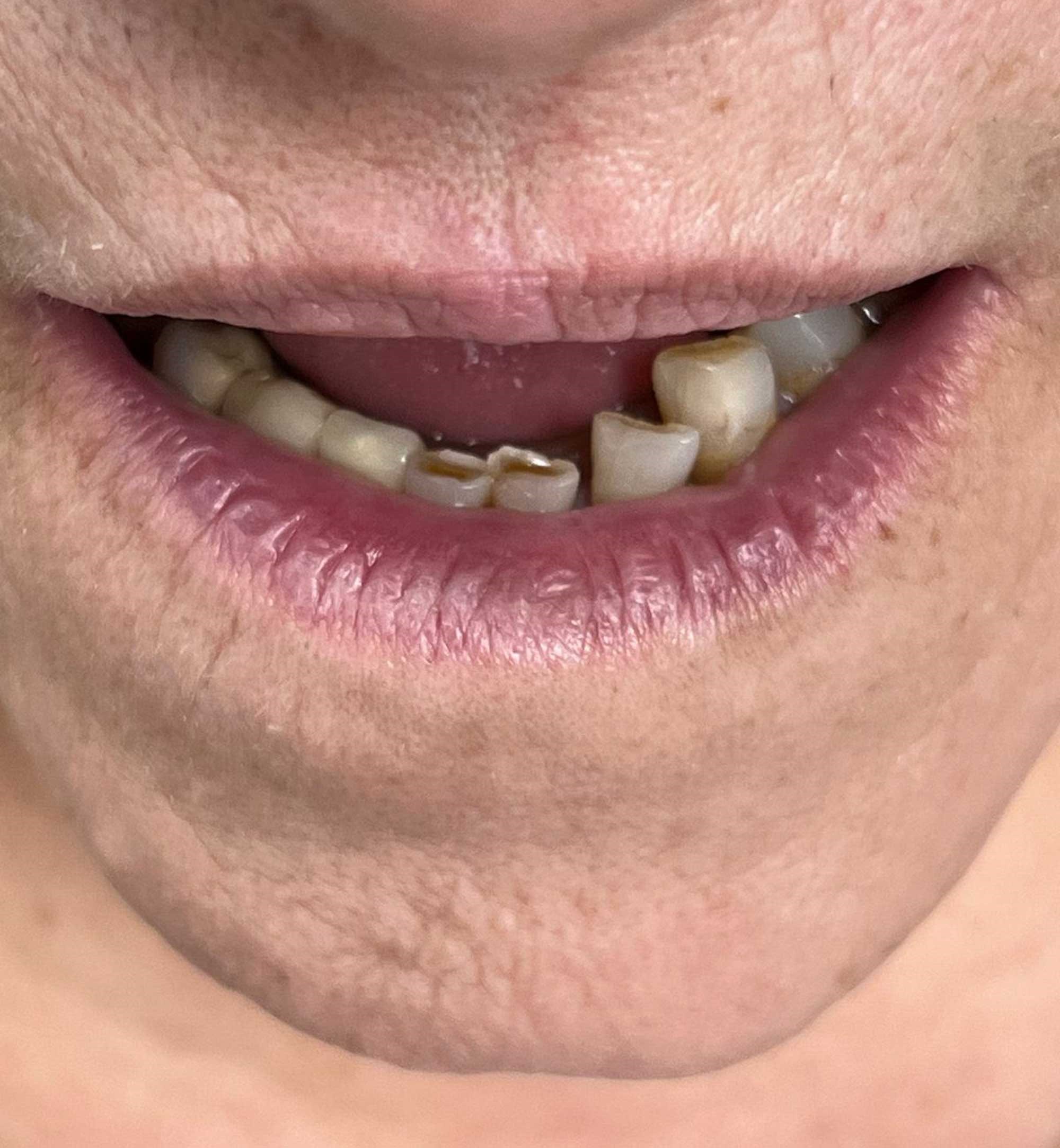
Figure 1b (after): Only one session (175j/cm2 – 20ms – 1.5Hz).
Sixty-six-year-old female presented to our clinic with venous lake in the lower lip, five years evolution. No previous treatment. The treatment strategy consisted of one session of long pulse (175j/cm2 – 20ms – 1.5Hz – 9 shoots).
Case 2
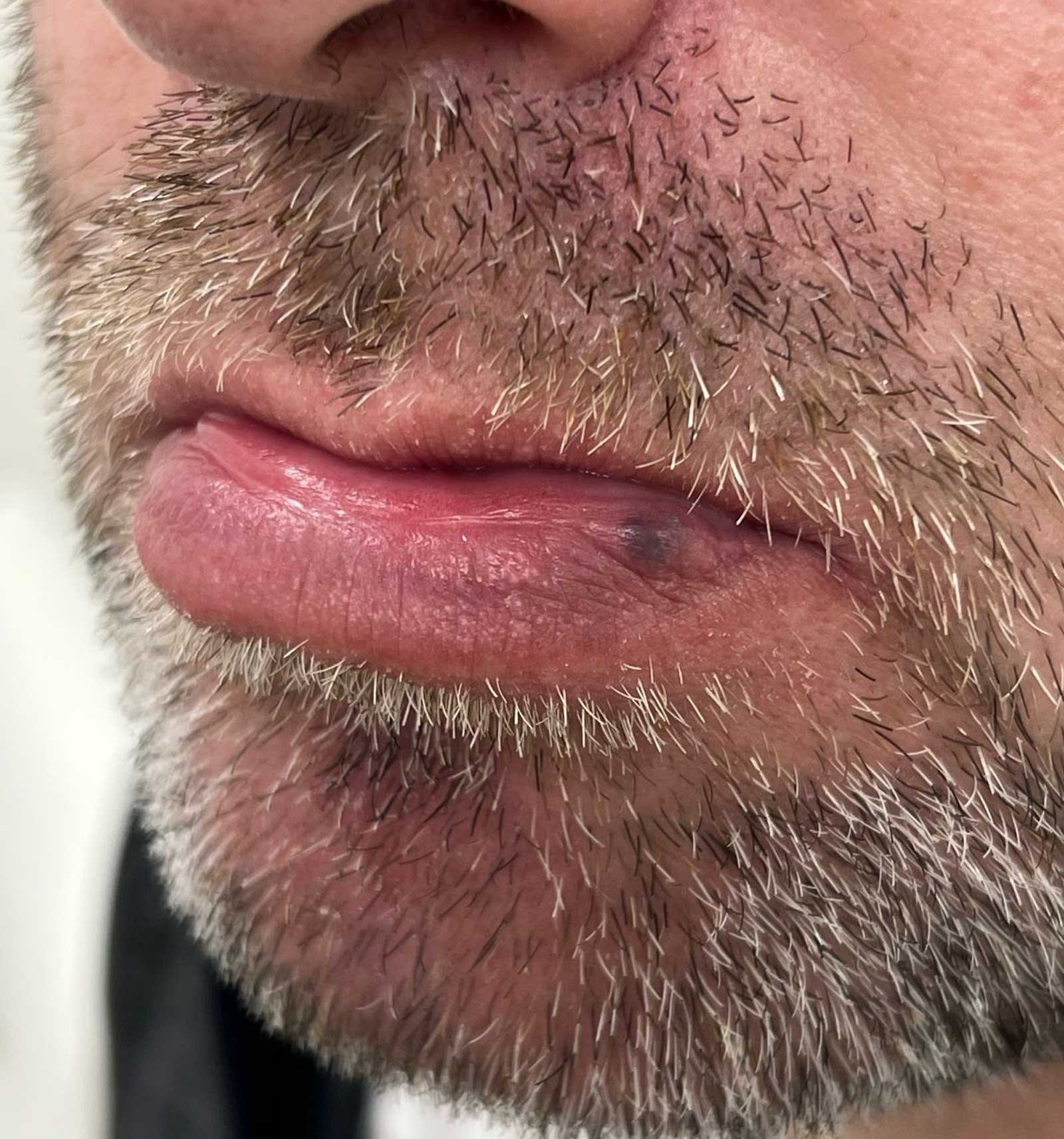
Figure 2a (before): Man of 50 years with four years evolution.
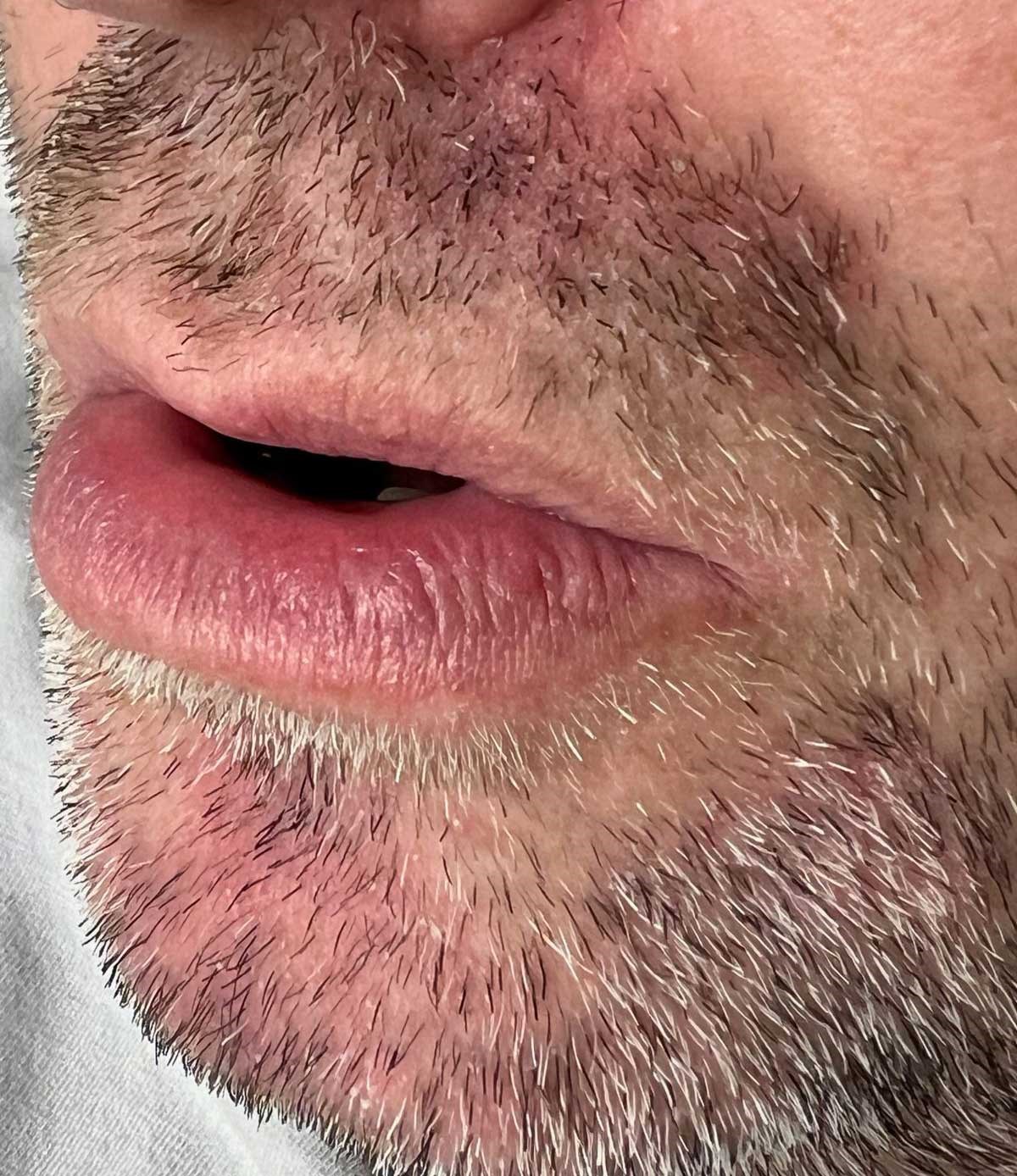
Figure 2b (after): Only one session (200j/cm2 – 20ms – 1.0Hz).
Fifty-year-old male presented to our clinic with venous lake in the lower lip, four years evolution. No previous treatment. The treatment strategy consisted of a single session of long pulse (200j/cm2 – 20ms – 1.0Hz – 8 shoots).
The equipment used in both treatments was the Etherea Mx with long pulse.
Conclusion
In summary, in these two cases the long-pulse Nd:Yag treatment eliminated the venous lip lake in only one session, with minimal discomfort and high patient satisfaction. This modality, approach minimises downtime and optimises clinical efficiency, making it a preferred choice for practitioners worldwide.
References
1. Lee JS, Mun JH. Dermoscopy of Venous Lake on the Lips: A Comparative Study With Labial Melanotic Macule. PloS One 2018;13(10):e0206768.
2. Mlacker S, Shah VV, Aldahan AS, et al. Laser and Light-Based Treatments of Venous Lakes: A Literature Review. Lasers Med Sci 2016;31(7):1511–9.
3. Tobouti PL, Olegário I, de Sousa SC. Benign Vascular Lesions of the Lips: Diagnostic Approach. J Cutan Pathol 2017;44(5):451–5.
4. Armogida NG, Valletta A, Calabria E, et al. The Photocoagulation-Assisted Aesthetic Treatment of Phlebectasias of the Lips Using a Nd:YAG Laser With a Low Energy Level. J Clin Med 2023;12(6):2292.
Declaration of competing interests: None declared.