Skin photoageing is a complex, multifactorial process influenced by both intrinsic ageing and chronic exposure to environmental factors; with ultraviolet radiation playing a significant role.
Patients seeking improvement in photoaged skin (skin revitalisation) increasingly prefer minimally invasive treatments that enhance skin texture, tone, and overall quality with minimal downtime. Traditional methods, such as depigmenting agents, chemical peels, and ablative lasers, have demonstrated efficacy but are often associated with limitations, including prolonged recovery times, post-inflammatory hyperpigmentation (PIH), and suboptimal results for deeper dermal concerns [1,2]..Advancements in energy-based technologies have enabled combination therapies that address multiple facets of photoageing in a single session [1–3].
This case study showcases successful treatment of photoaged skin, using Nordlys® Selective Waveband Technology (SWT®) to improve pigmentation and vascular irregularities [4,5]. Fractional bipolar radiofrequency (RF) microneedling with the Matrix Pro® applicator of the MatrixTM Skin Renewal Workstation was used to deliver targeted energy at up to three skin depths in a single insertion to address fine lines and wrinkles [6].
Case report
A 48-year-old female with Fitzpatrick skin type II presented to our clinic with moderate signs of photoageing on the face, recurrent solar lentigines, skin laxity and telangiectasias. She had previously undergone treatment with tyrosinase inhibitors and followed a strict photoprotection regimen, which resulted in minimal improvement to her skin condition. The treatment strategy consisted of a dual modality approach to target multiple conditions and depths in the skin in a single session.

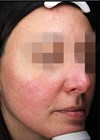
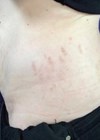
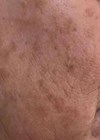
Figure 1a & b: Patient before treatment.

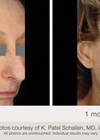
Figure 2a & b: Patient after six weeks and one treatment.
Step 1
The Nordlys PR 530 applicator, using narrowband wavelengths of 530–750nm, was applied at a fluence of 7.2 J/cm² with double 2.5ms pulses (10ms delay between pulses) in a single pass over the face, selectively targeting melanin in solar lentigines and oxyhaemoglobin in vascular lesions.
Step 2
The Matrix Pro® applicator was used to deliver short pulses of bipolar RF energy to targeted areas on the face to selectively heat the dermis, while preserving the epidermis, for percutaneous treatment of facial wrinkles. Post-treatment erythema resolved within 24 hours.
Post-treatment care consisted of applying a regenerative post-procedure cream for five to seven days and continued sunscreen use.
Conclusion
In summary, the Nordlys SWT® intense pulsed light (IPL) treatment reduced pigmentation, telangiectasias and overall erythema, while the Matrix Pro® RF microneedling applicator provided controlled dermal remodelling, improving fine lines and wrinkles. This treatment protocol improves the signs of photoaged skin with minimal discomfort and high patient satisfaction. This dual-modality, single-session approach minimises downtime and optimises clinical efficiency, making it a preferred choice for aesthetic practitioners worldwide.
References
1. Haykal D, Cartier H, Goldberg D, Gold M. Advancements in laser technologies for skin rejuvenation: A comprehensive review of efficacy and safety. J Cosmet Dermatol 2024;23(10):3078–89.
2. Kleidona IA, Karypidis D, Lowe N, et al. Fractional radiofrequency in the treatment of skin aging: an evidence-based treatment protocol. J Cosmet Laser Ther 2020;22(1):9–25.
3. Tan MG, Jo CE, Chapas A, et al. Radiofrequency microneedling: a comprehensive and critical review. Dermatol Surg 2021;47(6):755–61.
4. García PN, Andrino RL. Feasibility and safety of using combined light-emitting diodes versus intense pulsed light technology for the improvement of facial hypervascularization in adult patients. Photobiomodul Photomed Laser Surg 2023;41(2):64–72.
5. Negishi K, Kushikata N, Takeuchi K, et al. Photorejuvenation by intense pulsed light with objective measurement of skin color in Japanese patients. Dermatol Surg 2006;32(11):1380–7.
6. Anh Ly T, Amro H, Markowitz O. Vascular density changes after treatment with a bipolar radiofrequency system incorporating a novel applicator with the thinnest array of microneedles. Ann Clin Med Res 2023;4(1):1069.
Declaration of competing interests: None declared.